Docfitter

PROTECTYOUR BODY.PROTECTYOUR CAREER.

Evidence-based training, recovery and lifestyle systems designed specifically for clinicians.

A dentist in loupes and headlamp leaning over a patient in a bright modern clinic.

THE PHYSICAL COST OF DENTISTRY

DENTISTRY DEMANDSMORE FROM YOUR BODYTHAN YOU THINK.

Hours of static posture, cervical flexion and repetitive precision gradually place stress on the musculoskeletal system.
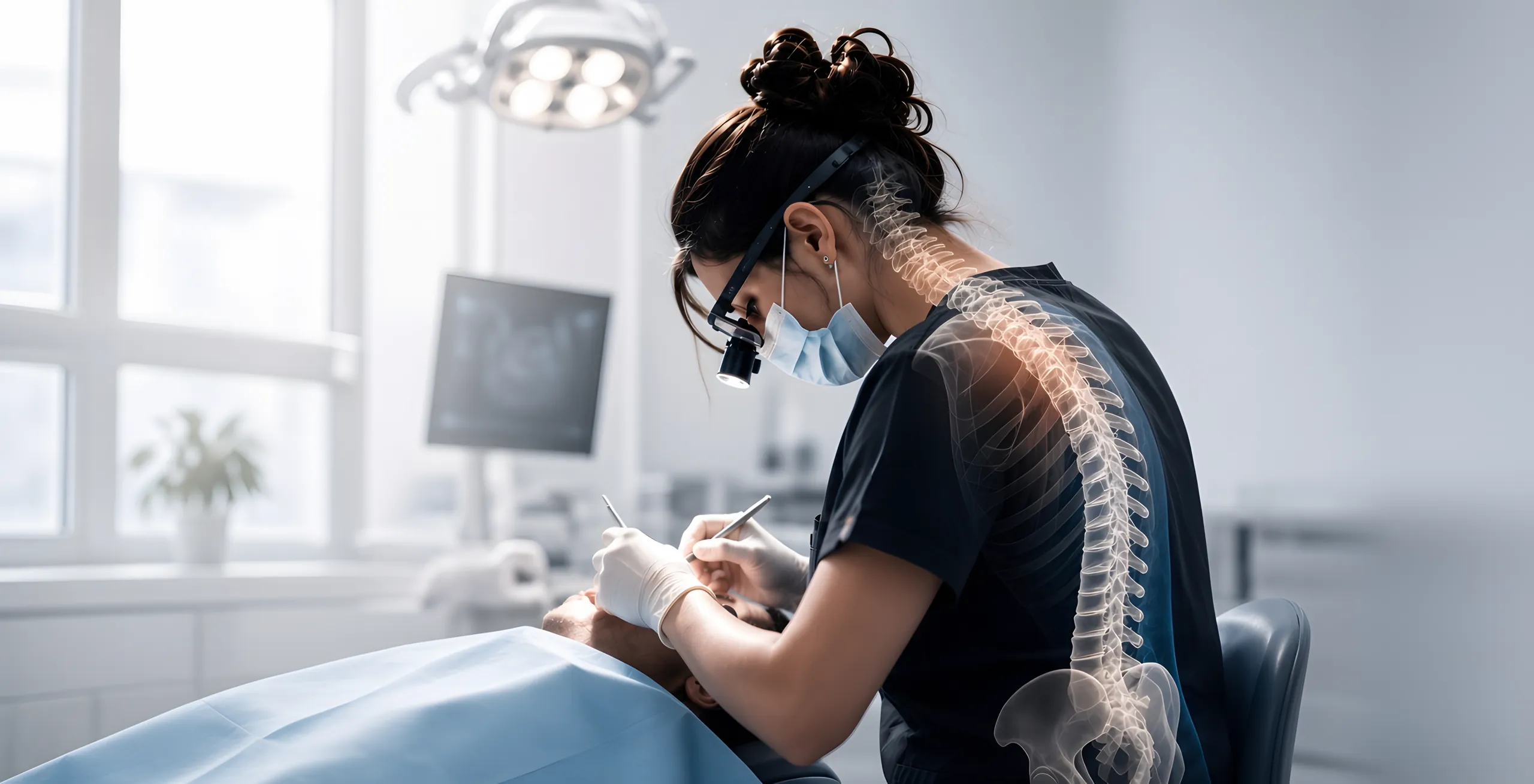
A dentist leaning over a patient, with a translucent overlay of her spine, shoulder blade and pelvis.

THE PROBLEM ISN'T ONE BAD POSTURE.IT'S THE LOAD YOU REPEAT, DAY AFTER DAY.

Your profession shapes your physical demands. Your training should respond to them.

THE PHYSICAL COST OF SURGERY

SURGERY DEMANDSMORE THAN PRECISION.IT DEMANDSENDURANCE.

Prolonged standing, static postures and repetitive precision place continuous demands on the surgeon's musculoskeletal system.

LongHours
ProlongedStanding
RepetitivePrecision
StaticPosture
A surgeon operating in a modern operating room, with a translucent overlay of her skeleton from neck to knees.

YOUR HANDS PERFORM THE SURGERY.YOUR WHOLE BODY SUSTAINS IT.

Surgical performance requires more than skill. It requires physical capacity built for the demands of the OR.

THE BODY ADAPTS TO DEMAND

USE ITOR LOSE IT.OVERUSE IT,AND YOU PAYTHE PRICE.

The musculoskeletal system constantly adapts to the amount and type of load it receives. Too little use can lead to loss of muscle mass and capacity, while repetitive or excessive load can contribute to pain, tissue breakdown and injury.
DISUSELEADS TO ATROPHY

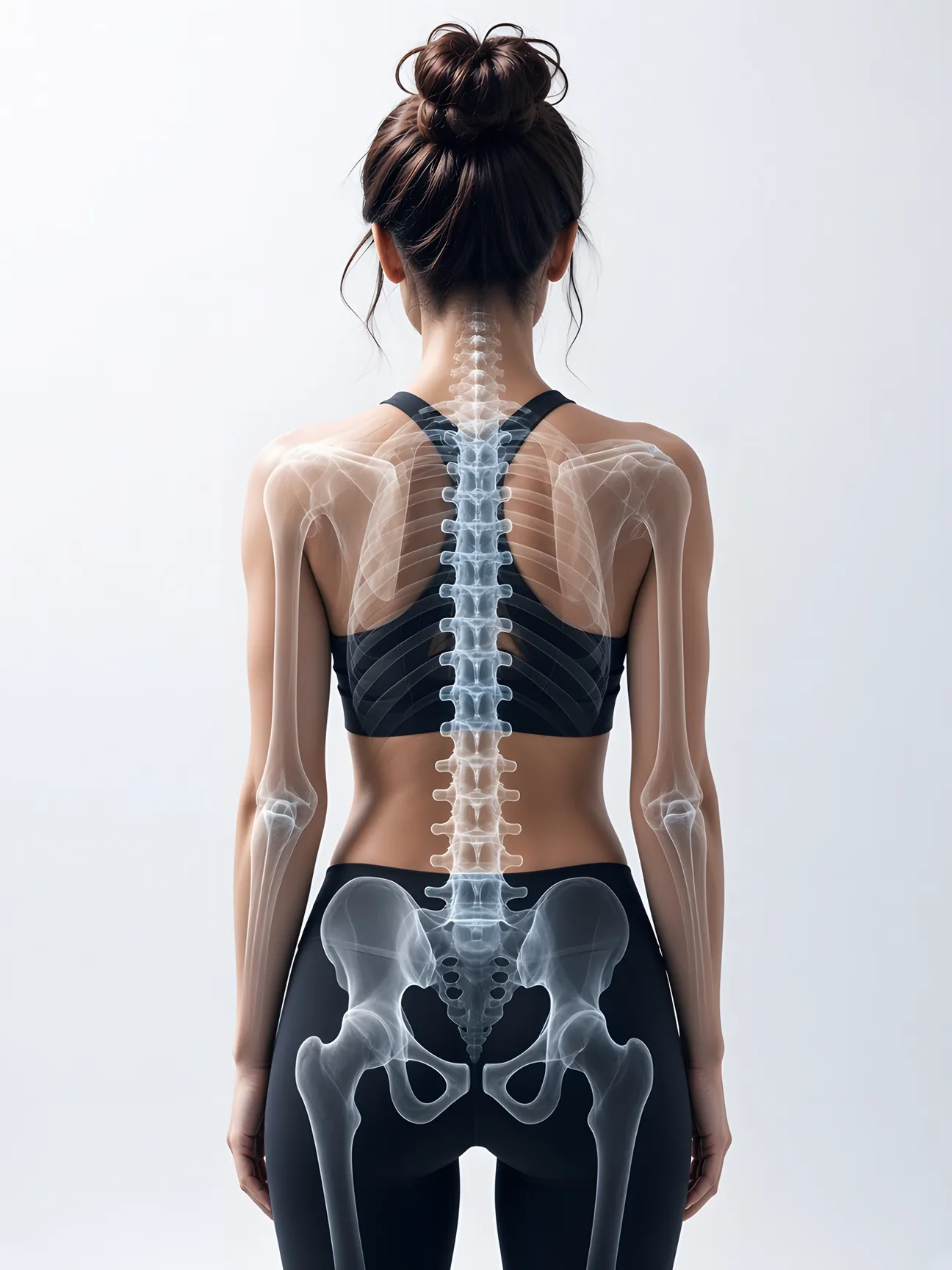
  • Decreased muscle mass
  • Reduced strength & endurance
  • Lower joint stability
  • Decreased bone density
  • Reduced functional capacity
Back view of a woman with a translucent overlay of her spine, shoulder blades and pelvis, illustrating disuse.

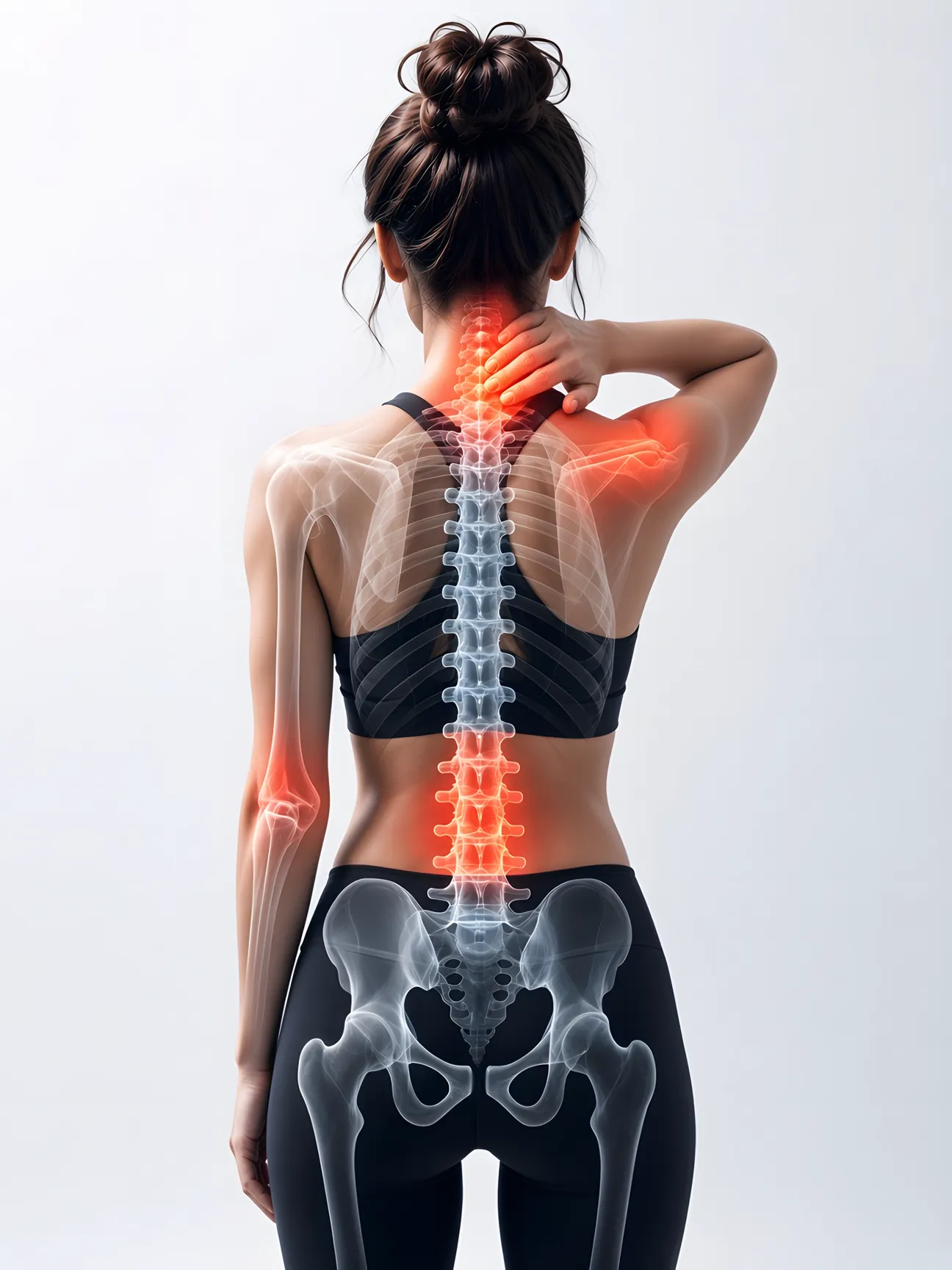
OVERUSELEADS TO PAIN & INJURY

  • Muscle fatigue and overload
  • Tendon irritation (tendinopathy)
  • Joint stress and degeneration
  • Nerve compression (e.g. carpal tunnel)
  • Increased risk of work-related musculoskeletal disorders
Back view of a woman pressing her neck, with red heat marking pain in the neck, shoulder, elbow and lower back.

THE BALANCERIGHT LOAD.GREATER RESILIENCE.

Buildcapacity
Maintainmovement
Allowrecovery
Protectyour career

Not less movement. Not more movement. The right load, in the right dose, with the right recovery.

THE BODY ADAPTS.

MOVE.LOAD.RECOVER.

Build capacity.Protect your body.

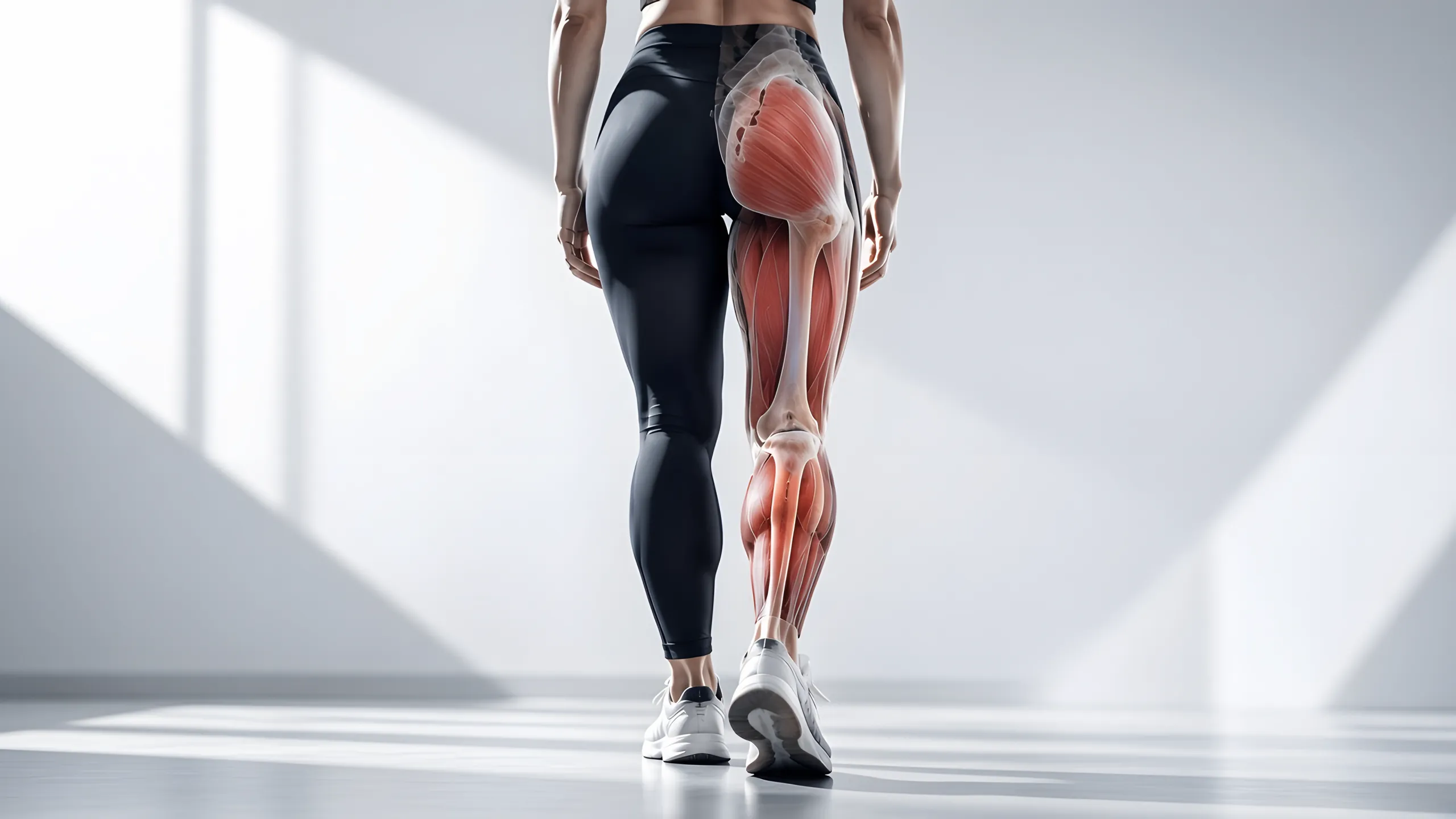
A woman walking away in leggings and trainers; one leg shows an anatomical overlay of the hip, thigh and calf muscles and bones.

GLUTES / HIPS

  • Atrophy with inactivity
  • Reduced strength & stability
  • Overuse → hip pain, bursitis

QUADRICEPS

  • Loss of muscle mass
  • Reduced power
  • Overuse → patellofemoral pain

HAMSTRINGS

  • Decreased strength
  • Higher injury risk
  • Tendinopathy with overuse

KNEES

  • Lower stability with inactivity
  • Cartilage stress with overuse
  • Tendinopathy

CALVES

  • Muscle atrophy
  • Reduced endurance
  • Strain with repetitive load

FEET / ANKLES

  • Loss of intrinsic strength
  • Plantar fasciitis with overuse
  • Reduced shock absorption
Buildmuscle capacity
Maintainfunctional strength
Allowrecovery
Protectjoints & career

The right load, in the right dose, with the right recovery.