
Recovery
Why do microbreaks matter during the working day?
Short breaks can give you a deliberate pause between one demand and the next.
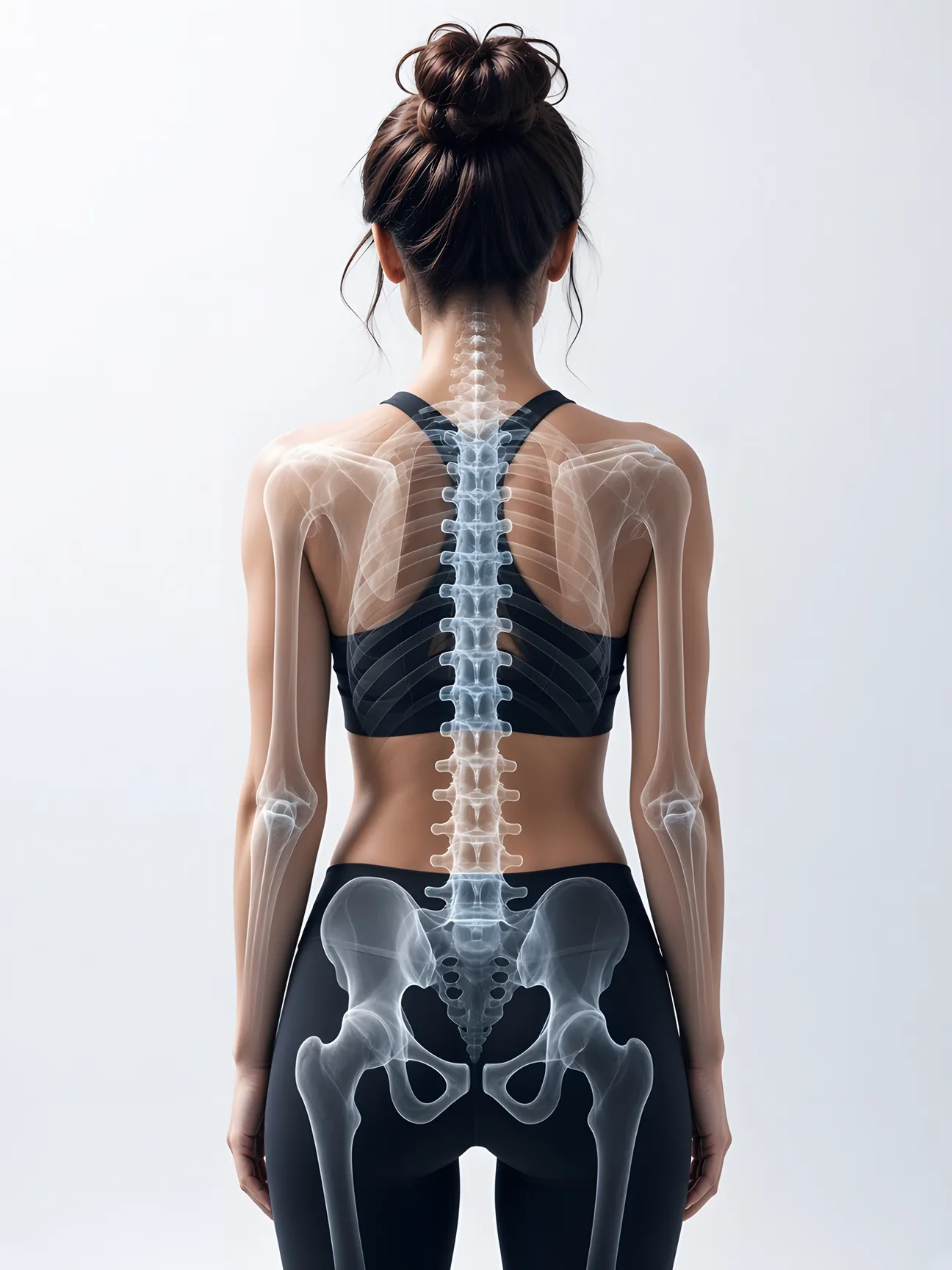
On a busy day, there isn’t always time for a full workout. Between preparing the room, doing precise work with your hands, talking to patients and updating records, free moments tend to be short and scattered. But your body responds to small breaks you can repeat.
A microbreak is a short pause to change position, breathe and step out of a fixed posture. It doesn’t replace a workout or a proper rest. It gives your body a chance to move after holding one position and helps keep strain from building throughout the day.
When you spend hours in a similar position, the first signs are often subtle. Your jaw tightens, your shoulders rise, your wrist stays bent at the same angle or your eyes stay fixed on something close by. A short pause can help you notice those signs earlier.
A microbreak can be simple. Step away from your chair, shift your weight from one foot to the other, let your shoulders drop and breathe out slowly three times. Then move your wrists a few times within a comfortable, pain-free range and look at something in the distance for a few seconds.
If you have more time, change position more fully. Walk a few steps, move your hips and spine out of their fixed position and notice your breathing rate before starting the next task. The quality of the pause matters more than the number of movements. There’s no need to rush through a list.
To make a microbreak part of your day, link it to a familiar cue. Try it after each patient, before replying to a message or while preparing the room. A consistent cue means one less decision to make and makes the break easier to take.
At the end of the day, look beyond the number of breaks you took and notice how your body responded. Were your shoulders less tired? Was it easier to refocus between tasks? Those observations can help you adjust the type and timing of your breaks to your needs.
Microbreaks don’t replace sleep, regular training or a professional assessment. They offer a simple, practical way to care for your body in the short gaps already built into your working day.